| TALES |


|
|||||||||||||||||||||||||||||
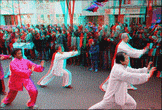
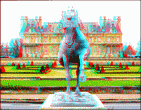
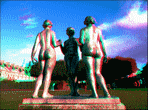
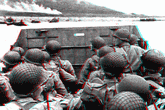
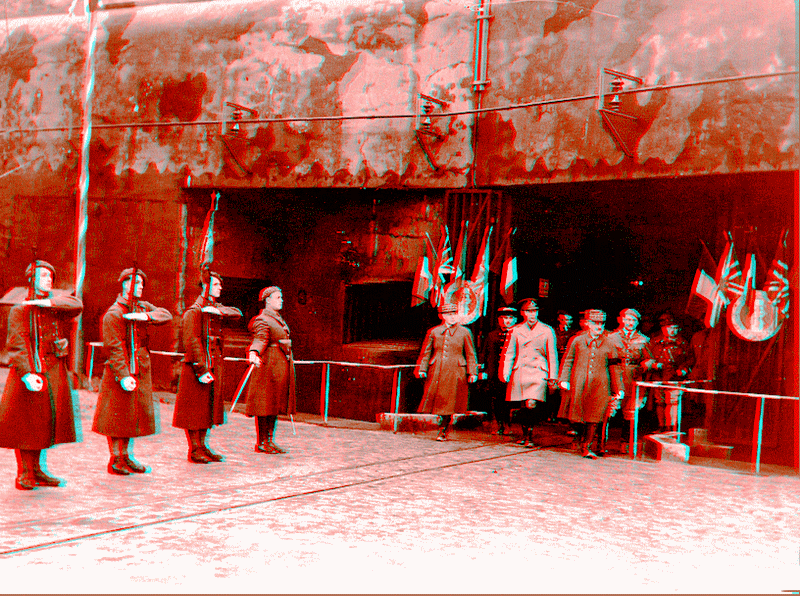
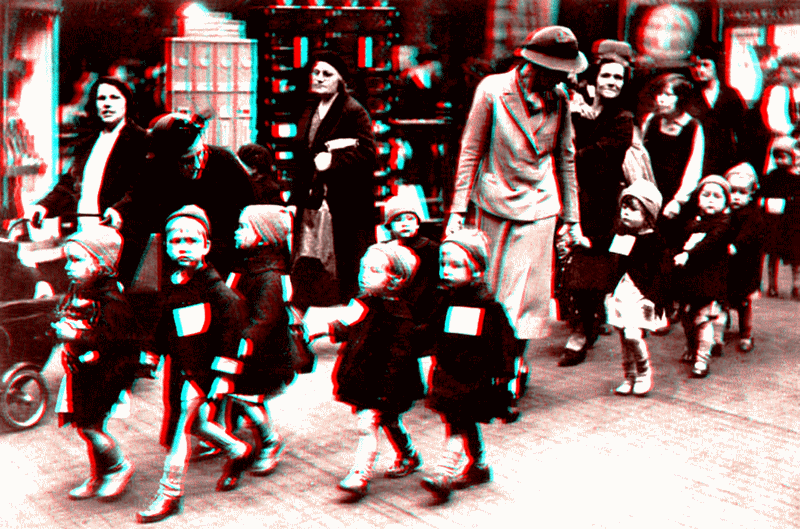
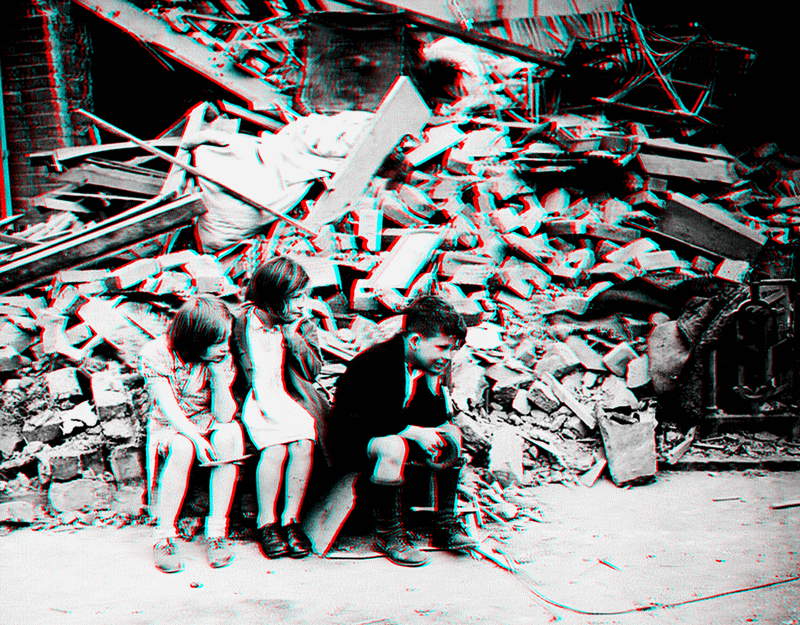
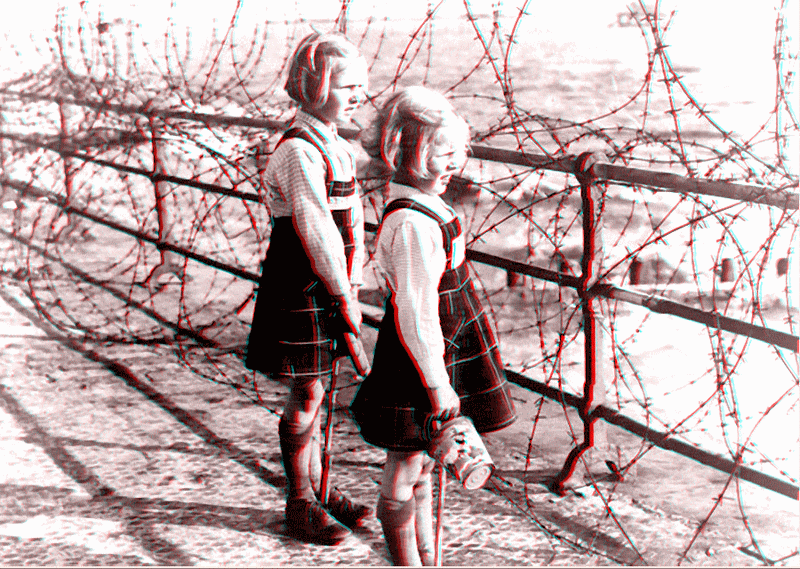
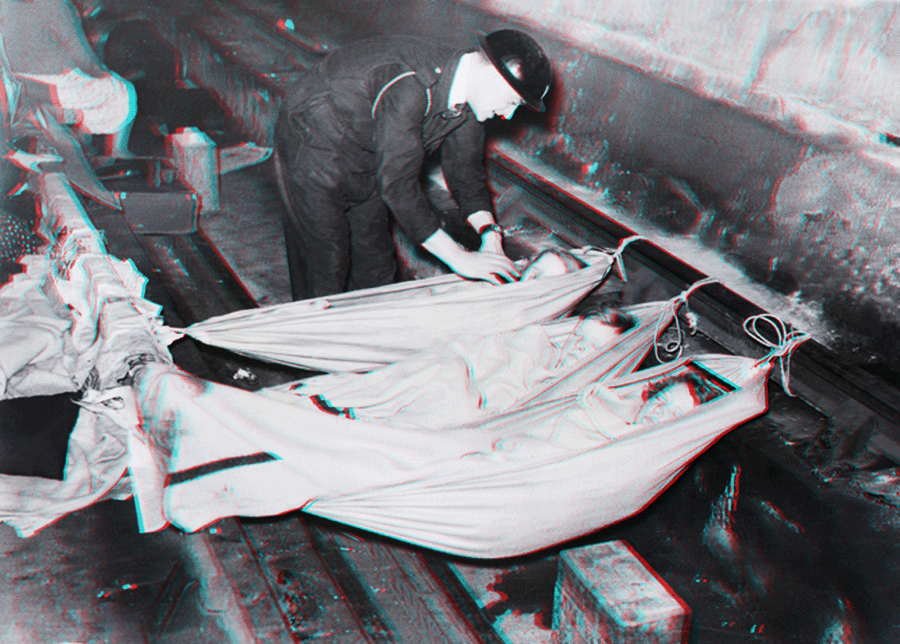
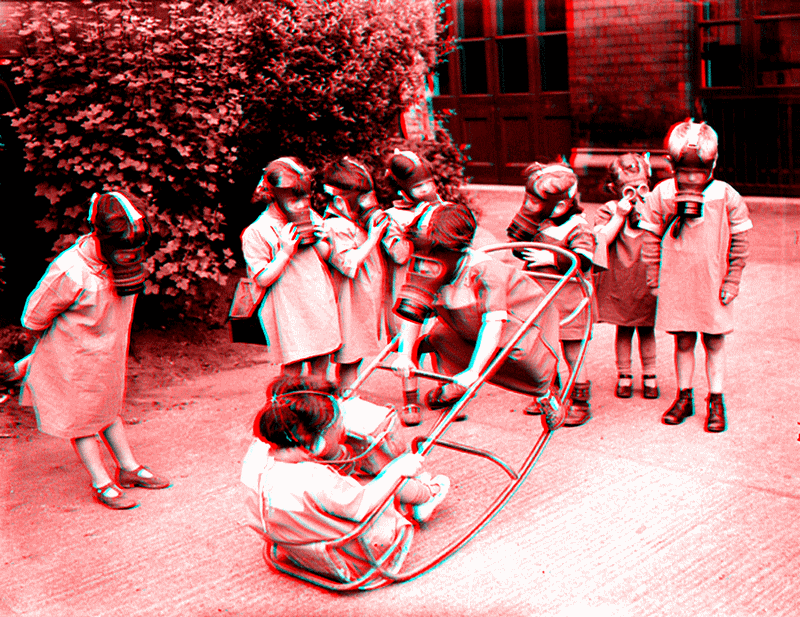
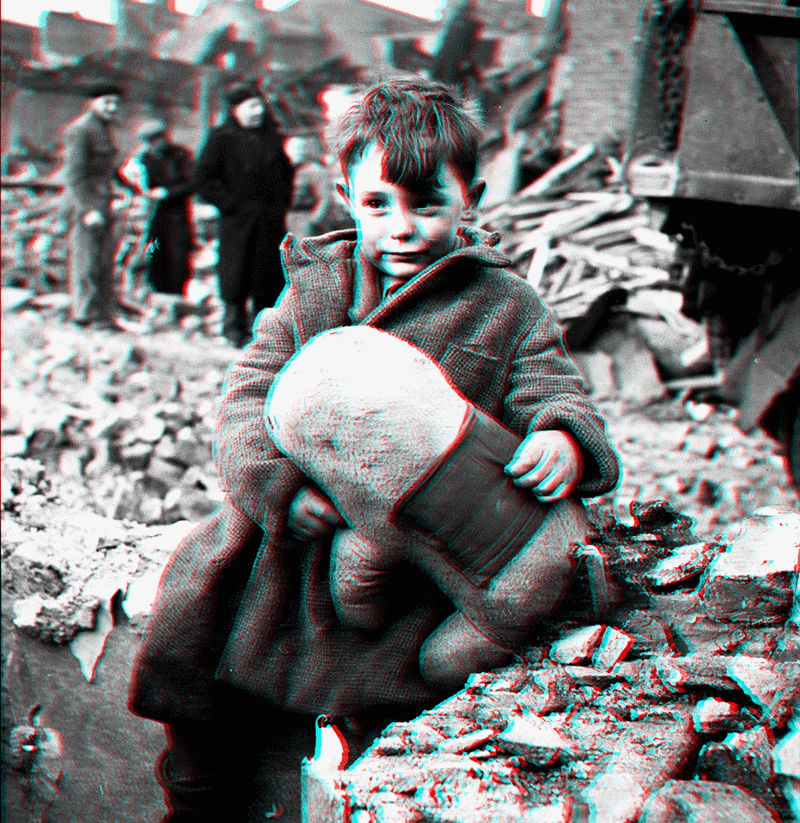
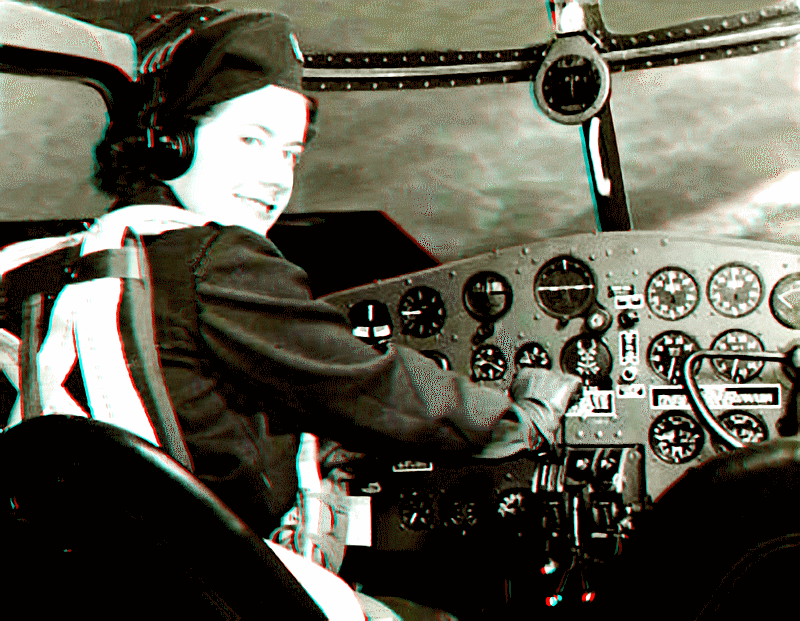
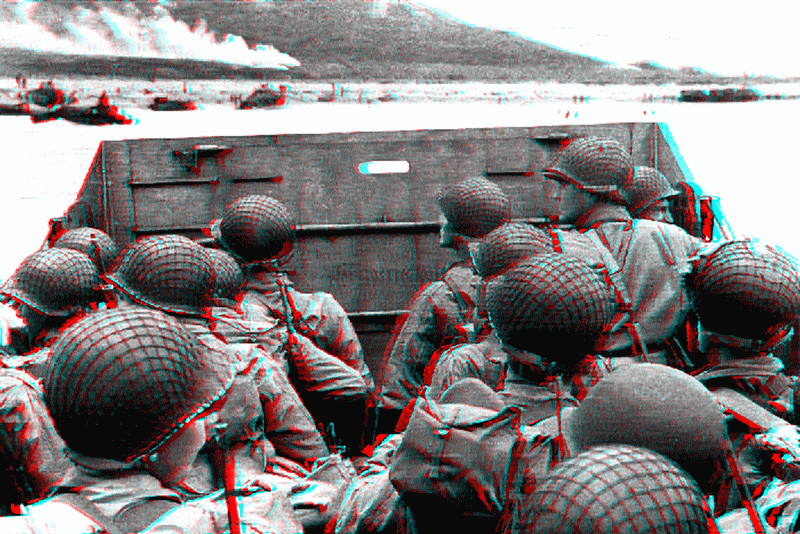
I discovered the art of stereoscopy (invented by a British citizen about 1830) a few years ago. At the moment it was a shock. That is what people call enhanced reality, since one can see things, which are not visible at first sight in the pictures. In the beginning, stereoscopy meant working with a couple of cameras. Then, one day I discovered that it is also possible to work without any camera, but with a computer instead. To be honest, that second shock was much greater. Now you have to realize that any 2D picture can be converted into a stereoscopic one, appreciable using small red-cyan glasses. Then I immediately thought of all what could be done with old archives, paintings and other artworks, illustrations of books, etc. For sure, we have got a priceless and unbounded treasure. For the present article I decided to praize all those WWAR II heroes, in particular all those young people mown by machine-guns as soon as they put their feet on the beaches of Normandy in June 1944. I think that at a time, when young people mostly think of being distracted with mangas and video games, it would be very necessary to recall to the younger generations the incredible sacrifice of a lot of people of their age, not that far ago. And, thanks to stereoscopy, these old pictures suddenly get more luminosity and brightness.
To illustrate my interest for the possibilities of stereoscopy, I would like to present you the works of a young man, who illustrated an edition of Jean de la Fontaine's Tales issued in 1865. Obviously, in the present era called "Global Village," one of my greater concerns consists in encouraging my (mostly) young audience to learn how to think in several languages. And this is why the classical works that I intend to republish (La Fontaine, Grimm, Poe, Twain, Dante, etc.) will be always at least in two languages, as the Fables that I present here (see above Tales). And, why not continue by submitting our anglophone public some exercises of French conjugation? (see French) Anyway, if you are not quite fluent in French, you can try to read the French section of this site with the help of the translator of your browser. By the way, I was about to forget that I have created some other blogs on the web; I just hope that you will find some interest in this one (by chance, it is completely in English!): it is about drafts ...
|


|
|
|